Individual Pen
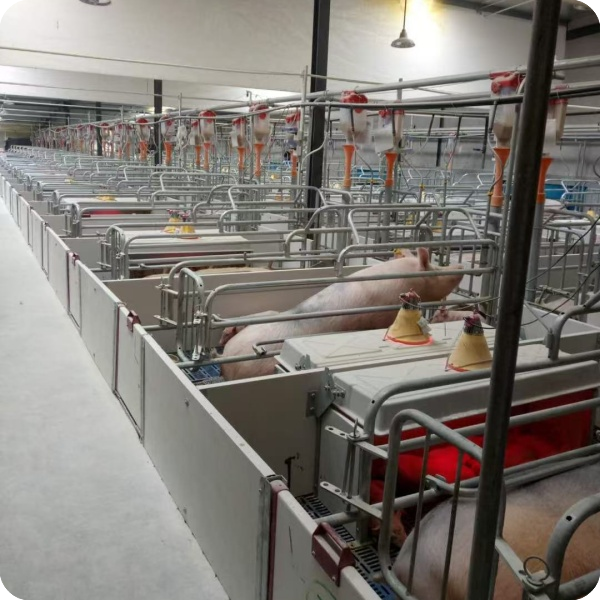
Specifications and parameters reference
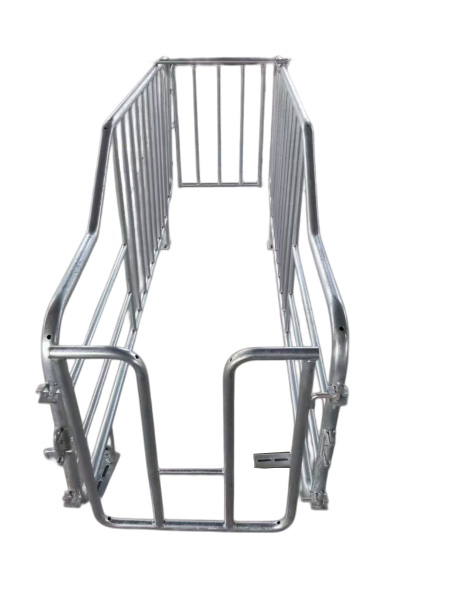
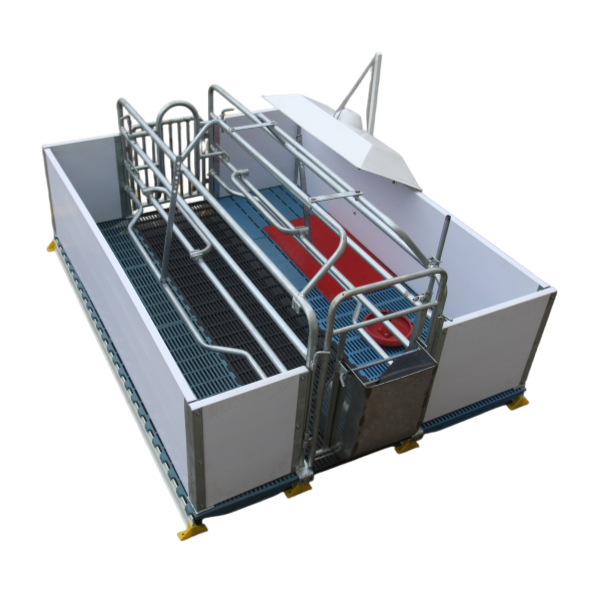
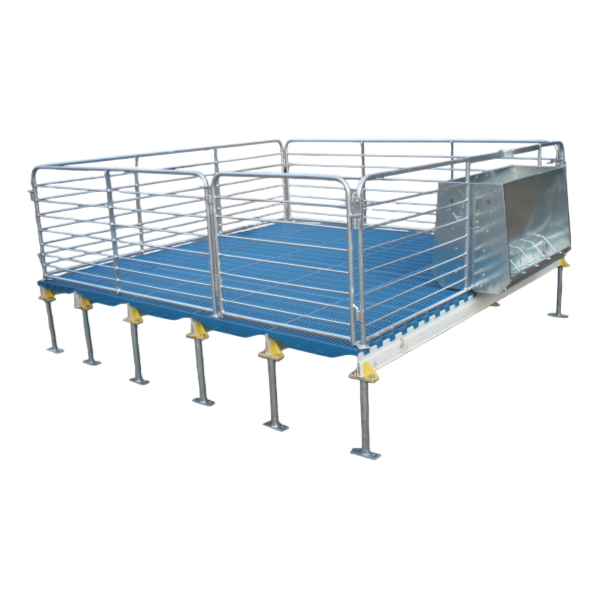
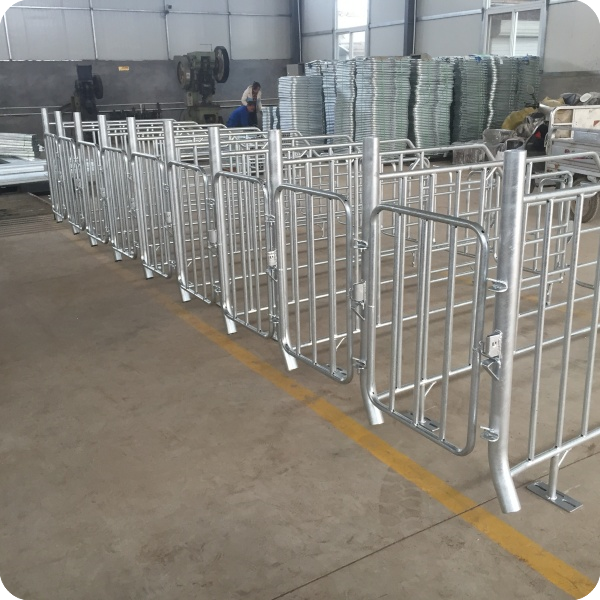
The size of individual pens is not fixed and can be customized according to the breed and size of the pigs being raised.³ Below is a common range of specifications for your reference:
project | Common Specifications/Selection | illustrate |
Overall dimensions | 2200mm (length) × 650mm (width) × 1000mm (height) | These are common values; the length ranges from 2100-2400mm, and the width is between 600-700mm |
Entry and exit methods | Back in front out / Back in back out | Determine the gate structure and the type of feeding trough. |
Main profile of the railing | Welded pipe (e.g., 6-point pipe, 2.5mm wall thickness) or round steel | Hot-dip galvanizing is a standard process. |
trough type | 304 Stainless Steel U-shaped/M-shaped/Single Feeding Trough | We recommend 1.2mm thick national standard board, which is sturdy and durable. |
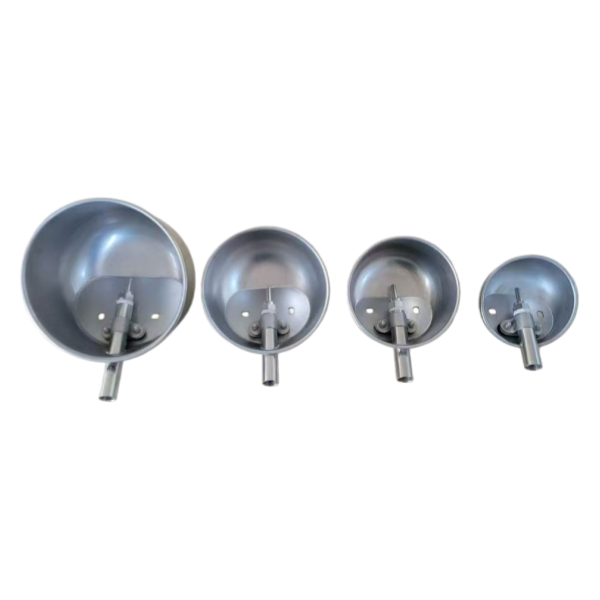
Water dispenser types | Stainless steel drinking bowl/drinking spout/water level gauge | Select in coordination with the feeding trough configuration |
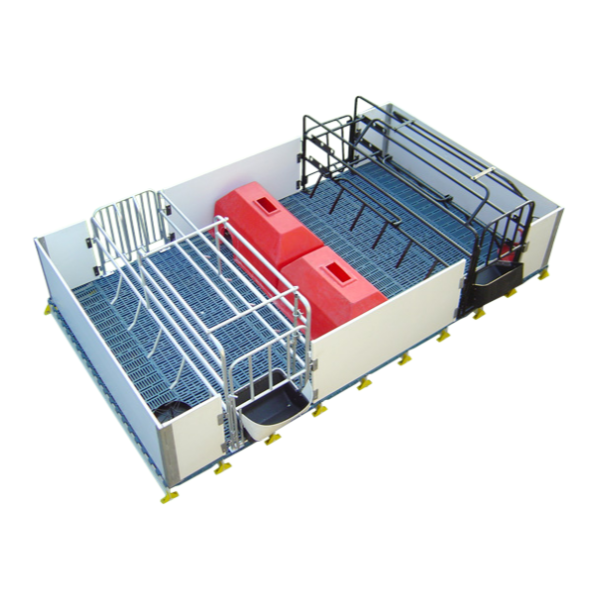
Individual stalls—also known as confinement stalls or gestation stalls—serve as a core piece of equipment in modern livestock farming, particularly in large-scale pig farms, for the management of pregnant sows. The fundamental design philosophy behind these stalls is to maximize production efficiency, facilitate precise feeding, and enable individualized management by restricting the animals' range of movement.
Core Functions and Value
The primary reason individual gestation stalls have become a standard fixture in large-scale pig farms is that they effectively address the following key issues:
1. Significant Land Savings: Compared to group housing systems (which require approximately 7 square meters per pig), individual stalls require only about 1.5 square meters. This boosts land utilization efficiency by 3 to 4 times—an immense advantage in regions where land resources are scarce.
2. Enables Precision Management: Each sow occupies her own dedicated stall, allowing for precise control over feed intake; this prevents larger pigs from bullying smaller ones for food, thereby ensuring that every sow receives adequate nutrition. Furthermore, it facilitates the efficient, individual-by-individual execution of estrus detection, vaccination, and physical examinations.
3. Protects Pregnant Sows: By completely isolating individual pigs, the system effectively eliminates inter-animal aggression. This significantly reduces the risk of mechanical miscarriage—injuries resulting from fighting or overcrowding—which is absolutely critical for safeguarding the farm's overall production efficiency.
Structure and Configuration Options
Although individual gestation stalls may appear largely similar at first glance, their specific configurations involve many nuances. You should make your selection based on your own specific circumstances:
1. Main Structure:The most common choice is a hot-dip galvanized steel pipe structure, which offers strong corrosion and rust resistance as well as a long service life. The thickness of the zinc coating is a critical indicator; it is generally required to be no less than 80μm.
2. Entry and Exit Methods: There are two primary methods:
Rear Entry, Front Exit: Sows enter through the rear gate and exit through the front gate after feeding. This mode is typically paired with individual feed troughs.
Rear Entry, Rear Exit:Sows enter through the rear gate; once feeding is complete, the rear gate is opened to allow them to exit via the same route they entered. This mode is typically paired with a continuous feed trough system.
3. Feed Trough Options:
Individual Feed Troughs:Each stall features a separate, independent trough fixed to the stall gate or the front section; this is suitable for the "Rear Entry, Front Exit" mode.
Continuous Feed Troughs: A long, linear trough system that runs continuously across all stalls; this is suitable for the "Rear Entry, Rear Exit" mode. Common shapes include M-types or U-types; the material is typically 304 stainless steel, offering durability, sturdiness, and ease of cleaning.
(Watering Accessories):Common options include stainless steel drinking bowls, "duckbill" style nipple drinkers, or water-level controllers integrated directly into the continuous feed trough system.
Purchasing and Usage Recommendations
If you are planning to purchase individual gestation stalls, consider prioritizing the following points:
1. Identify the Target User:These stalls are primarily designed for pregnant sows. If you intend to house replacement gilts or smaller-sized breeds, the stall width can be appropriately reduced (e.g., to 600mm).
2. Focus on Anti-Corrosion Treatment: Prioritize products that have undergone overall hot-dip galvanization, and verify the thickness of the zinc coating. This is the critical factor determining how many years the stall structure will remain serviceable in humid or corrosive environments.
3. Determine the Entry/Exit Mode:Based on your specific feeding protocols and management preferences, decide in advance whether to adopt the "Rear Entry, Front Exit" or "Rear Entry, Rear Exit" mode; this decision will directly influence your subsequent selection of feed troughs and stall gates.
4. Consider Integrated Systems: Individual gestation stalls can be easily integrated with automated feeding systems and manure scraping/cleaning systems. If you anticipate upgrading your facilities in the future, consult with the manufacturer in advance to confirm whether interface ports are pre-reserved or if compatible solutions are available.