Cast Iron Flooring
Specifications and Configuration
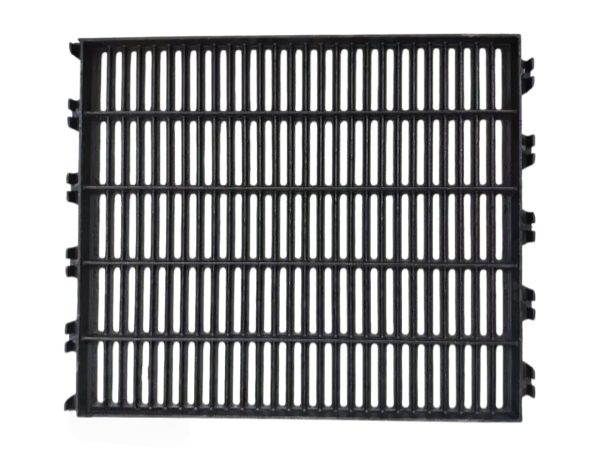
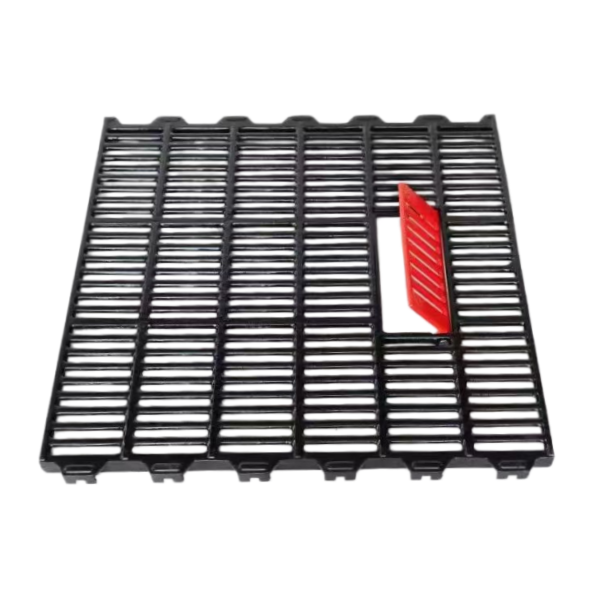
1. Common Dimensions: Typically utilized as ductile iron slatted flooring for sow stations, cast iron flooring is available in a variety of specifications. Common dimensions—such as 1000 × 635 mm—are designed to meet the installation requirements of most farrowing crates and gestation stalls. Manufacturers also offer customization options for various other dimensions.
2. Interlocking Mechanism: The edges of the flooring panels typically feature a tongue-and-groove structure, allowing them to interlock securely. This design ensures easy installation while creating a floor surface that is both level and stable.
Core Functions and Advantages
1. Safe Load-Bearing Capacity: This constitutes the most fundamental value of cast iron flooring. The slatted flooring in sow areas must withstand immense static and dynamic pressures; cast iron flooring boasts a load-bearing capacity of approximately 1,000 kilograms—more than sufficient to safely support adult sows of any size.
2. Robust and Durable: Compared to flooring made from plastic or composite materials, cast iron features superior hardness, corrosion resistance, and anti-aging properties. It effectively prevents damage caused by sows biting the floor, ensuring a long service life and representing a sound long-term investment for the farm.
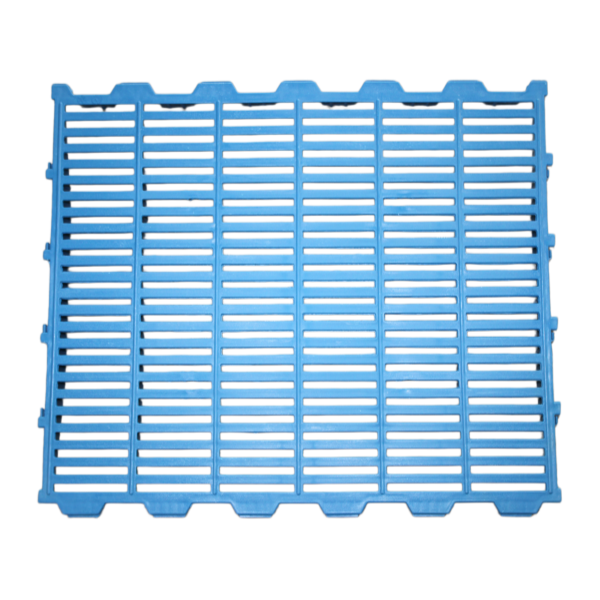
3. Efficient Waste Drainage: Through precisely engineered slotted openings, the flooring ensures that manure and waste fall through immediately upon contact. This keeps the floor surface relatively dry, minimizes bacterial proliferation, and aids in the prevention and control of diseases such as sow mastitis and piglet diarrhea.
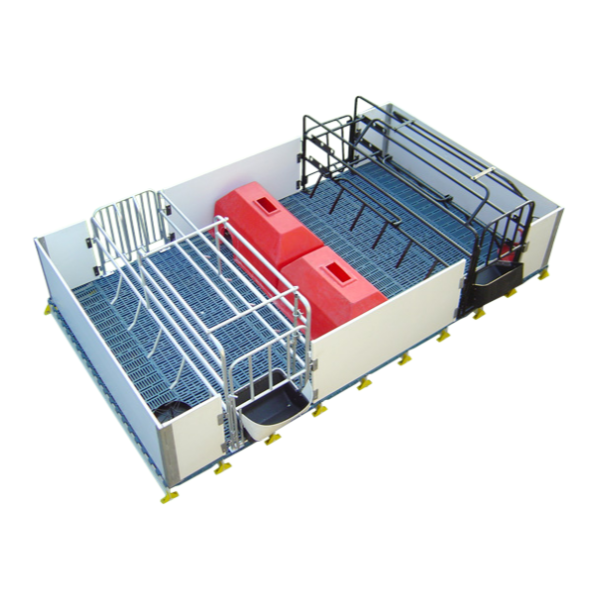
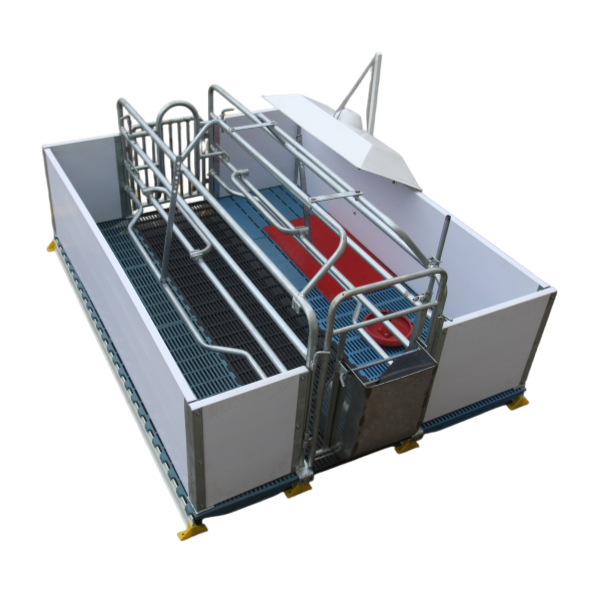
Cast iron flooring serves as a core component in modern pig farms—particularly within farrowing crates and gestation stalls—where it functions as the primary load-bearing surface. It is specifically installed in the areas where sows stand continuously, leveraging the high-strength properties of cast iron to safely support the sow's body weight while simultaneously facilitating the efficient separation of manure and waste.